CASE FILE NO. 05 — CAT · INFECTIOUS DISEASE
Feline Calicivirus (FCV)
Monitor & manage
Infectious Disease
Real cats from the file: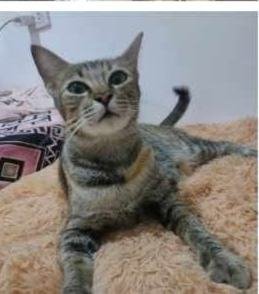 Xiaomi
XiaomiOverview
Feline Calicivirus (FCV) is one of the most common causes of upper respiratory infection and oral disease in cats. Most cases are mild-to-moderate, but in rare cases, the virus can mutate into a severe, life-threatening form.
- Very common and highly contagious, especially in shelters and multi-cat households
- Typically causes respiratory and mouth symptoms — usually manageable, not usually fatal
- A rare severe mutation called FCV-VSD (Virulent Systemic Disease) can be fatal in more than half of affected cats — this is different from typical calicivirus and important to know about
- Some cats become long-term carriers, shedding the virus even without visible symptoms
Common Symptoms
Typical / Mild-Moderate FCV
- Sneezing, nasal discharge, watery eyes
- Mouth ulcers (tongue, gums, hard palate) — often causing drooling and reduced appetite due to pain
- Fever
- Occasionally mild limping (a lesser-known but real symptom)
Severe / FCV-VSD (Rare)
- Swelling of the face, head, and legs
- Skin ulcers and crusting sores, especially around the nose, ears, and footpads
- Yellowing of the mouth/skin (jaundice) from liver involvement
- Bleeding under the skin or in the GI tract
- High fever, signs of multi-organ involvement
FCV-VSD most often appears in outbreak settings — shelters, catteries, or multi-cat households — rather than in single-cat homes.
Possible Causes
- Direct contact with infected cats, or contaminated surfaces, bowls, bedding
- Highly transmissible through respiratory droplets and saliva
- Outbreak risk is highest in high-density, high-stress cat environments
- Even vaccinated cats can catch calicivirus, since vaccines only offer partial cross-protection against different strains
Diagnosis
- Primarily diagnosed based on clinical signs (oral ulcers + respiratory symptoms are a strong indicator)
- PCR testing can confirm the virus in oral/nasal swabs or blood
- Bloodwork is used if FCV-VSD is suspected, checking for liver involvement and abnormal blood cell counts
- A veterinarian should evaluate promptly, especially if swelling or skin lesions appear alongside typical symptoms
Treatment
- No direct antiviral cure for standard FCV — treatment is supportive
- Pain management is important, since oral ulcers make eating painful
- Antibiotics if a secondary bacterial infection develops
- Fluids and nutritional support if the cat isn't eating
- FCV-VSD requires aggressive hospitalization — IV fluids, intensive supportive care, and immediate isolation from other cats
Nutrition & Food Intake
- Painful mouth ulcers often make cats reluctant to eat — warming food slightly or offering strong-smelling, soft food can help entice appetite
- Syringe feeding or appetite stimulants may be needed if a cat refuses food for more than a day
- Ensure easy access to water; dehydration can worsen recovery
- Cats that stop eating for an extended period are at risk of hepatic lipidosis (a serious liver condition) — this needs veterinary attention
Home Physical Checks (What to Look For Yourself)
- Mouth – gently check for ulcers on the tongue, gums, or roof of the mouth if drooling or reduced appetite is noticed
- Gums – jaundice (yellow tinge) is a red flag for the severe form and needs immediate vet attention
- Face and legs – any swelling, especially if paired with respiratory symptoms, should be evaluated quickly
- Footpads and skin – check for crusting sores or ulceration
- Appetite and energy – track whether the cat is still eating and drinking despite mouth discomfort
Supportive Supplements (General Info — Not a Prescription)
- L-lysine – historically used for feline herpesvirus/URI symptoms, though current evidence for effectiveness is mixed; ask your vet before use
- Probiotics – sometimes used to support overall immune health during recovery
- Omega-3s – general immune and inflammation support, not a treatment for the virus itself
- None of these replace veterinary care, especially if symptoms progress toward the severe form
When to Seek Emergency Care
Seek immediate veterinary care if you notice:
- Swelling of the face, head, or legs
- Skin ulcers or crusting sores
- Yellowing of the gums or skin (jaundice)
- High fever with lethargy
- Refusal to eat or drink for more than 24 hours
- Any of these symptoms in a multi-cat household — early isolation matters
Prevention
- Vaccination reduces severity of disease, though it doesn't guarantee full protection against all strains
- Good hygiene in multi-cat environments: separate bowls, regular disinfection, avoiding overcrowding
- Isolate new or sick cats before introducing them to a group
- In shelter/rescue settings, strict sanitation protocols are critical, since FCV-VSD outbreaks have caused hospital and shelter closures in documented cases
Prognosis
- Typical FCV: Good prognosis. Most cats recover within 1-3 weeks with supportive care, though some become lifelong carriers who can still spread the virus.
- FCV-VSD (severe form): Serious. Documented outbreak mortality rates have ranged from roughly 50% to 86%, according to multiple veterinary case studies and the Cat Fanciers' Association. This form requires aggressive, immediate treatment.
- The key distinguishing factor for outcome is how quickly the severe form is recognized and treated — early isolation and intensive care meaningfully affect survival in outbreak settings.
Sources: Cat Fanciers' Association; PMC veterinary case studies (Korea, Ireland, Australia outbreak reports); Vetster.
🐾 A Rescuer\'s Note: [Your experience with calicivirus goes here — what did you notice first, how did you manage it, especially if you've dealt with this in a shelter or foster setting?]
Important: This information is educational and does not replace a professional veterinary examination. If you notice swelling, skin sores, or jaundice alongside typical cold-like symptoms, seek veterinary care immediately — this can indicate the rare but serious form of this virus.
💬 Share Your Story
Have you cared for a cat with this condition? We'd love to hear it — email your story to hello@thefurfile.com (swap in your real address) and we'll feature it here.
Share your story by email