CASE FILE NO. 10 — CAT · URINARY & REPRODUCTIVE
Chronic Kidney Disease (CKD) in Cats
Monitor & manage
Urinary & Reproductive
Real cats from the file: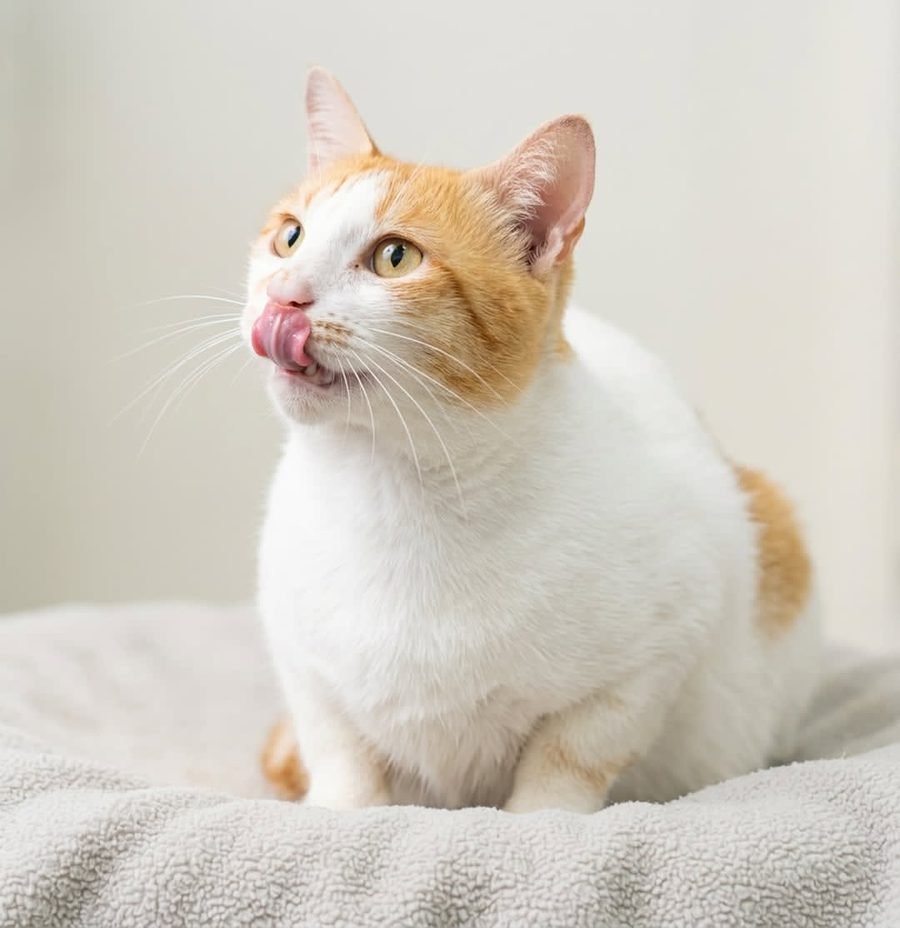 Shoba
Shoba
ShobaOverview
Chronic Kidney Disease is one of the most common conditions in older cats, and it's exactly what your original skill was built around — a gradual, progressive decline in kidney function over months to years.
- Affects an estimated 1-3% of all cats, but much more common in seniors
- The leading cause of death in cats over 5 years old
- Not curable, but highly manageable — many cats live well for a long time with proper care
- Staged using the IRIS system (International Renal Interest Society), which strongly predicts prognosis
Common Symptoms
Early Symptoms (often subtle)
- Increased thirst and urination
- Mild weight loss
- Slightly reduced appetite
Advanced Symptoms
- Significant weight loss, muscle wasting
- Vomiting, poor coat quality
- Bad breath (ammonia-like odor)
- Lethargy, weakness
- Reduced appetite or complete refusal to eat
Possible Causes
- Most cases are idiopathic (no single identifiable cause) — CKD is often the cumulative result of aging kidneys
- Contributing factors can include genetics, prior kidney infections or injury, high blood pressure, and certain breeds having higher predisposition
- Dehydration episodes and untreated urinary blockages over a lifetime may contribute to long-term kidney stress
Diagnosis
- Bloodwork: Creatinine, BUN, and SDMA (an earlier marker than creatinine) are key values
- Urinalysis: checks urine concentration and protein levels (proteinuria)
- Blood pressure measurement: hypertension is common with CKD and affects staging
- IRIS Staging (1-4): based primarily on creatinine, plus sub-staging for protein levels and blood pressure — this staging is what drives prognosis and treatment decisions
Treatment
- No cure exists, but management significantly extends quality of life and survival
- Prescription renal diets (reduced phosphorus, controlled protein) are one of the most evidence-supported interventions
- Phosphate binders if diet alone doesn't control phosphorus levels
- ACE inhibitors or other blood-pressure medications if hypertension or proteinuria is present
- Subcutaneous fluids at home in more advanced stages to help manage hydration
- Appetite stimulants or anti-nausea medication as needed in later stages
Nutrition & Food Intake
- A properly formulated renal prescription diet is one of the most impactful things you can do — reduced phosphorus is directly linked to slower disease progression
- Palatability matters: CKD cats can become picky as nausea sets in, so warming food or trying different textures can help
- Fresh water always available; wet food helps with hydration
- Small, frequent meals are often better tolerated than large ones in cats with reduced appetite
Home Physical Checks (What to Look For Yourself)
- Water intake and litter box output – increased drinking/urinating is often the earliest sign, easy to track at home
- Weight – monthly weigh-ins catch gradual muscle and weight loss early
- Gums – pale gums can indicate anemia, a common complication of later-stage CKD
- Coat condition – a dull, unkempt coat can be an early sign something is off, since sick cats often groom less
- Appetite trends – note any gradual decline over weeks, not just sudden refusal
Supportive Supplements (General Info — Not a Prescription)
- Omega-3 fatty acids – sometimes used to help support kidney health and reduce inflammation; ask your vet about appropriate use
- Potassium supplementation – some CKD cats develop low potassium and may benefit, but this should be blood-test guided, not guessed at home
- Vitamin E – one placebo-controlled study found it did not significantly extend survival when added to a renal diet, so this is a good example of a well-intentioned supplement without strong evidence behind it
- Any supplement should be discussed with your vet, since kidney-compromised cats can be sensitive to certain substances that are normally safe
When to Seek Emergency Care
Seek prompt veterinary attention if a CKD cat shows:
- Sudden refusal to eat or drink
- Repeated vomiting
- Extreme lethargy or collapse
- Signs of severe dehydration
These can indicate an acute decompensation on top of chronic disease, which needs timely intervention.
Prevention
- Regular senior wellness bloodwork (annually from age 7, twice yearly from around 10-11) helps catch CKD in earlier, more manageable stages
- Good hydration throughout life supports kidney health generally
- Prompt treatment of urinary blockages, infections, and dehydration episodes may help reduce cumulative kidney stress over a lifetime
Prognosis
This is genuinely a "the earlier, the better" disease, and the data makes that clear:
- IRIS Stage 2: Mean survival time of roughly 2-3 years in many studies (one study found median survival around 1,151 days for Stage 2b)
- IRIS Stage 3: Mean survival around 679 days (roughly 22 months)
- IRIS Stage 4: Average survival drops sharply to around 35 days, according to multiple veterinary sources
- Proteinuria (protein in urine) and lower red blood cell counts are both linked to a less favorable prognosis
- The takeaway: early detection through routine senior bloodwork dramatically changes the outlook — a cat caught at Stage 2 has a very different future than one first diagnosed at Stage 4.
Sources: Cornell University College of Veterinary Medicine; Today's Veterinary Practice; PubMed (IRIS staging survival study); dvm360.
🐾 A Rescuer\'s Note: [Your CKD experience goes here — this is likely one of your most valuable sections given your personal history with this disease.]
Important: This information is educational and does not replace a professional veterinary examination. If you notice increased thirst/urination or unexplained weight loss in your cat, ask your vet about kidney bloodwork — early detection makes a real difference.
💬 Share Your Story
Have you cared for a cat with this condition? We'd love to hear it — email your story to hello@thefurfile.com (swap in your real address) and we'll feature it here.
Share your story by email