Ear Infections in Cats (Otitis)
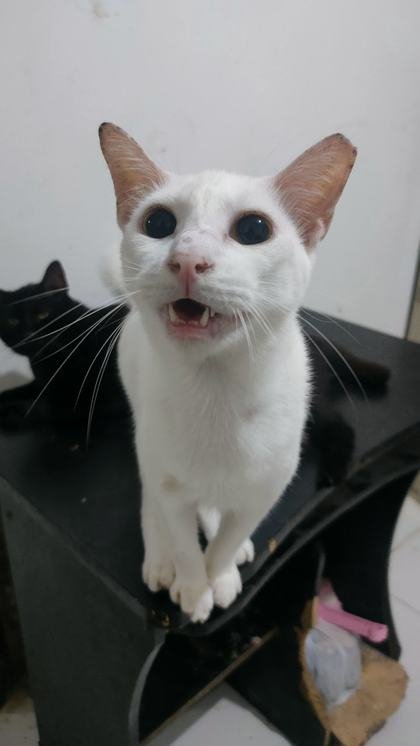 Whiskers
Overview
Ear infections (otitis) in cats involve inflammation and often infection of the ear canal. This is a different, though sometimes related, condition from ear mites — an infection can be caused by bacteria or yeast, and can occur on its own or as a complication of an untreated mite infestation.
- Can affect the outer ear canal (otitis externa, most common) or, in more serious/chronic cases, the middle ear (otitis media)
- Often secondary to another underlying issue — ear mites, allergies, foreign material, or moisture buildup
- Highly treatable when properly diagnosed
- Chronic or repeated infections warrant looking for an underlying cause rather than just repeatedly treating symptoms
Common Symptoms
Early / Mild
- Mild scratching at the ear
- Slight odor or discharge
- Head shaking
Advanced
- Strong, unpleasant odor from the ear
- Significant redness, swelling, or heat in the ear canal
- Thick discharge (color can vary — yellow, brown, or bloody)
- Pain when the ear is touched
- Head tilting or loss of balance (a sign the infection may have reached the middle/inner ear — more serious)
Possible Causes
- Bacterial or yeast overgrowth in the ear canal, often secondary to another trigger
- Untreated or ongoing ear mite infestation
- Allergies (food or environmental) that cause chronic ear inflammation
- Excess moisture in the ear canal
- Foreign material (grass seeds, debris) lodged in the ear
- Anatomical or breed-related factors in some cases
Diagnosis
- Otoscope examination of the ear canal
- Microscopic examination of ear debris to distinguish bacteria, yeast, or mites — this matters because treatment differs for each
- Culture and sensitivity testing in chronic or non-responding cases, to identify the specific organism and the right antibiotic
- If infections keep recurring, your vet may investigate underlying allergies or other contributing factors rather than just treating each episode individually
Treatment
- Topical ear medication tailored to the specific cause (antibacterial, antifungal, or combination) is the mainstay of treatment
- Gentle ear cleaning, often before medication is applied, to remove debris and improve medication effectiveness
- Oral antibiotics may be needed for more severe or middle-ear infections
- Addressing the underlying cause (mites, allergies, moisture) is essential to prevent recurrence — treating the infection alone without addressing the trigger often leads to it coming back
Nutrition & Food Intake
- Not typically affected by ear infections directly
- If allergies are the underlying trigger, a diet trial (under veterinary guidance) may be part of the broader management plan for chronic cases
Home Physical Checks (What to Look For Yourself)
- Ear discharge and odor – check regularly, especially in cats prone to recurring issues
- Redness or swelling – visible inside the ear canal opening
- Head tilt or balance – any new unsteadiness is a more serious sign needing prompt attention
- Scratching frequency and intensity – note if it's increasing or affecting one ear vs. both
Important home-care note: Avoid inserting anything (cotton swabs, home remedies) deep into the ear canal — this can push debris further in or cause injury. Stick to what your vet recommends for cleaning.
Supportive Supplements (General Info — Not a Prescription)
- No supplement treats an active ear infection — this requires proper diagnosis and targeted medication
- If allergies are an underlying factor, omega-3 fatty acids are sometimes used as general supportive care for skin/ear health, alongside (not instead of) proper allergy management
When to Seek Emergency Care
Seek prompt veterinary care if you notice:
- Head tilting, loss of balance, or unusual eye movements (possible middle/inner ear involvement)
- Significant pain, swelling, or the ear feeling hot to the touch
- Discharge that is bloody or has a very strong odor
- Symptoms that don't improve, or worsen, after starting treatment
Prevention
- Regular ear checks, especially for cats with a history of ear issues
- Prompt treatment of ear mites if diagnosed, to prevent secondary bacterial/yeast infection
- Keep ears dry after bathing if your cat is bathed
- Manage underlying allergies if they're identified as a recurring trigger
- Don't over-clean ears unnecessarily, as this can sometimes irritate the canal and contribute to problems
Prognosis
Excellent for most cats when properly diagnosed and treated — the majority of straightforward bacterial or yeast ear infections resolve fully with appropriate topical treatment. The main long-term consideration is recurrence: cats with an underlying trigger (chronic allergies, anatomical factors) may need ongoing management to prevent repeat infections. Middle or inner ear involvement is more serious and requires more intensive treatment, but even these cases generally have a good outcome with prompt, appropriate veterinary care.
Sources: Merck Veterinary Manual; VCA Animal Hospitals; general veterinary otology literature.