Feline Asthma
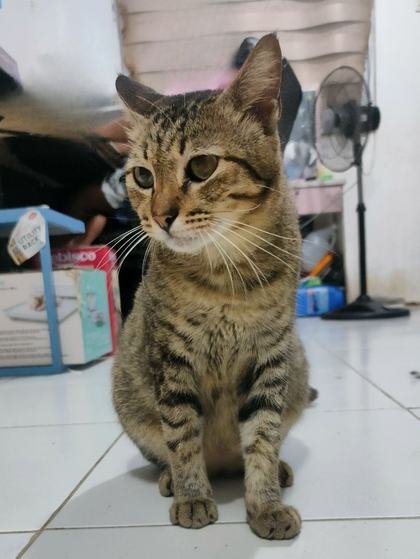 Tigre
TigreOverview
Feline asthma is a chronic allergic respiratory condition where the small airways in the lungs become inflamed, leading to coughing, wheezing, and potentially serious breathing difficulty. It's distinct from tracheal collapse (a structural airway problem) and pneumonia (an infection) — asthma is driven by inflammation and allergic-type airway constriction.
- Affects at least 1% of adult cats worldwide
- A chronic, progressive condition with no cure, but generally well-managed with proper treatment
- Commonly affects young to middle-aged cats
- Siamese cats have a higher reported risk than other breeds
Common Symptoms
Early / Mild
- A dry cough, often mistaken for a hairball cough
- Occasional wheezing
- Mild exercise intolerance or easy fatigue
Advanced / Serious
- Labored breathing, breathing hard or fast
- Open-mouth breathing — a serious sign in cats, who normally breathe through their nose
- Decreased appetite, lethargy, weight loss over time
- A breathing crisis can be life-threatening and requires emergency treatment
Possible Causes
- Believed to be an allergic/inflammatory response, similar in concept to human asthma
- Potential triggers include environmental allergens, dust, pollen, certain cleaning products, and second-hand smoke
- There is some suggestion that increased exposure to industrial pollutants and environmental irritants may contribute to rising rates
- Long-term exposure to smoke has specifically been linked to lung damage that contributes to this condition
Diagnosis
- No single test confirms feline asthma definitively — diagnosis is typically made by ruling out other causes of coughing and breathing difficulty
- Chest X-rays to assess lung changes and rule out heart disease or other structural issues
- Fecal exam to rule out lungworms as a cause of similar symptoms
- Bloodwork, and sometimes an echocardiogram, if underlying heart disease is a concern
- Often, a trial treatment response (does the cat improve with asthma medication?) helps confirm the diagnosis alongside other testing
Treatment
- No cure, but the prognosis with proper treatment is good
- Inhaled corticosteroids (using a cat-specific spacer/mask device) are commonly used to reduce airway inflammation with fewer systemic side effects than oral steroids
- Bronchodilators may be used, especially during flare-ups, to open constricted airways
- A breathing crisis (severe difficulty breathing) is a medical emergency requiring hospitalization, oxygen therapy, and emergency medication
- Treatment is individualized and often involves some trial and adjustment to find what controls a particular cat's symptoms best
Nutrition & Food Intake
- No specific diet treats asthma directly
- Maintaining a healthy weight can help reduce overall respiratory strain
- Appetite may decrease during flare-ups or with chronic discomfort; monitoring food intake helps catch worsening episodes early
Home Physical Checks (What to Look For Yourself)
- Cough pattern and frequency – note whether it's increasing, and try to distinguish it from a typical hairball cough (asthma coughing is often more frequent and not followed by hairball production)
- Breathing effort at rest – any labored or open-mouth breathing while resting is significant
- Activity tolerance – track any new reluctance to play or exert themselves
- Environmental triggers – note if symptoms seem to worsen around specific products, seasons, or situations (new candles, cleaning products, dusty litter, etc.)
Supportive Supplements (General Info — Not a Prescription)
- No supplement treats asthma directly — this requires veterinary-directed inhaled or oral medication
- Reducing environmental irritants (dust, smoke, strong fragrances, certain litters) is a genuinely useful supportive measure any owner can control
- Omega-3 fatty acids are sometimes discussed for general anti-inflammatory support, though they don't replace prescribed asthma treatment
When to Seek Emergency Care
Any of the following requires immediate veterinary attention:
- Labored, rapid, or open-mouth breathing
- Blue or grayish gums
- A cat that appears to be struggling to breathe even at rest
- A known asthmatic cat having a severe flare-up that doesn't respond to rescue medication
Prevention
- Reduce exposure to smoke (including second-hand smoke), strong fragrances, aerosol sprays, and dusty cat litters
- Use low-dust litter and avoid scented products around asthmatic cats
- Keep the home well-ventilated and consider air purifiers if a cat has diagnosed asthma
- There's no guaranteed way to prevent asthma from developing, but reducing known irritants can help minimize flare-up frequency and severity in diagnosed cats
Prognosis
With proper treatment, the prognosis for feline asthma is good. Most cats, once on an effective management plan (often inhaled medication), live comfortable, active lives with well-controlled symptoms. This is a lifelong condition requiring ongoing management rather than a one-time treatment, but it's not typically life-shortening when properly managed. The main risk comes from unmanaged or unrecognized flare-ups progressing to a breathing crisis — which is why learning your individual cat's early warning signs (coughing pattern, activity changes) matters for catching worsening episodes before they become emergencies.
Sources: The Cat Hospital of Media; Wikipedia (feline asthma overview, general reference); veterinary respiratory disease literature.