Feline Coronavirus (FCoV)
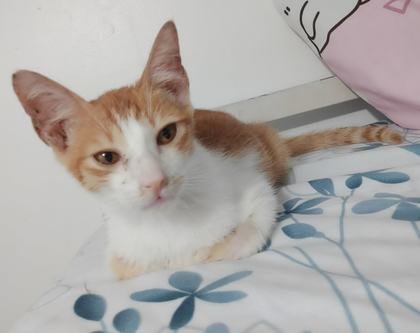 Siopao
 Tiny
TinyOverview
Feline Coronavirus (FCoV) is a common virus that infects a cat's intestinal tract. It's important to understand: FCoV is NOT the same as FIP (Feline Infectious Peritonitis) — but FIP develops from a mutated strain of FCoV in a small percentage of infected cats. This distinction causes a lot of fear and confusion among cat owners.
- Very common, especially in multi-cat households, shelters, and catteries
- Highly contagious between cats (spread through feces/litter box sharing)
- Most infected cats show mild or no symptoms at all
- Not directly life-threatening on its own — but the possibility of FIP mutation is what worries owners and rescuers
Common Symptoms
Early / Mild Symptoms
- Mild diarrhea (sometimes the only sign)
- Occasional vomiting
- Slightly reduced appetite
Advanced Symptoms (rare, in a minority of cases)
- Persistent diarrhea
- Weight loss
- Poor coat condition
Note: Most cats with FCoV show no visible symptoms at all and the virus clears on its own.
Possible Causes
- Direct contact with infected feces (shared litter boxes are the #1 transmission route)
- Overcrowded or high-stress multi-cat environments (shelters, catteries, foster homes)
- Kittens and young cats are more commonly exposed
- Stress, overcrowding, and poor sanitation increase both spread and risk of mutation to FIP
Diagnosis
- Fecal PCR test – detects viral shedding in stool
- Antibody (titer) blood test – shows past or current exposure, but cannot confirm active infection or predict FIP
- Veterinarians often combine test results with symptom history and living environment
- A veterinarian must confirm diagnosis and interpret test results — antibody titers alone can be misleading
Treatment
- Most cats need no specific treatment — the immune system clears the virus on its own
- Supportive care during flare-ups: fluids, anti-nausea medication, appetite support if needed
- No antiviral cure exists for FCoV itself
- If FIP develops (separate diagnosis), treatment differs significantly and should be guided by a vet
This information does not include medication dosages — always follow veterinary guidance.
Home Care
- Keep litter boxes extremely clean — scoop daily, disinfect regularly
- In multi-cat homes, one litter box per cat plus one extra is ideal
- Reduce stress: consistent routine, hiding spaces, avoid sudden environment changes
- Monitor appetite, energy, and litter box habits closely, especially in shelter or foster settings
- Isolate new or sick cats from the general population when possible
Home Physical Checks (What to Look For Yourself)
You don't need special equipment to catch early warning signs. Check these regularly, especially during a flare-up:
- Gums – should be bubblegum pink and moist. Pale, white, or yellow (jaundiced) gums are a red flag — check by gently pressing a finger on the gum; color should return within 2 seconds.
- Hydration – gently lift the skin at the back of the neck (scruff). It should snap back immediately. Slow return can mean dehydration.
- Belly – feel for unusual swelling or firmness (possible fluid buildup — a warning sign for FIP, not typical FCoV).
- Weight – run hands along the ribs weekly; ribs should be felt but not prominently visible.
- Litter box output – note consistency, frequency, and any blood or mucus in stool.
- Energy and appetite – sudden hiding, disinterest in food, or lethargy lasting more than a day warrants attention.
Nutrition & Food Intake
- Palatable, easily digestible food often helps during a flare-up (many owners find gentle wet food is better tolerated than dry during a GI upset)
- Small, frequent meals rather than one or two large ones can reduce vomiting/diarrhea episodes
- Fresh water always available; some cats drink more from a fountain than a bowl
- If a cat refuses food for more than 24 hours, this needs veterinary attention — cats can develop a serious liver condition (hepatic lipidosis) from not eating, even short-term
Supportive Supplements (General Info — Not a Prescription)
These are commonly discussed as supportive care, but always consult your vet before starting any supplement, especially in a sick or diagnosed cat:
- Probiotics – often used to help restore gut balance after diarrhea episodes
- Omega-3 fatty acids – sometimes used to support general immune and gut health
- L-lysine – more commonly used for herpesvirus/URI cats, but often asked about; evidence for FCoV specifically is limited
- Some immune-supportive products marketed for FCoV/FIP-prone cats exist, but talk to your vet about what's actually evidence-based versus marketing before purchasing
When to Seek Emergency Care
Seek immediate veterinary attention if a cat shows:
- Persistent vomiting or diarrhea lasting more than 24–48 hours
- Noticeable weight loss over a short period
- Swollen abdomen (possible fluid buildup — a red flag for FIP)
- Lethargy, hiding, or refusal to eat
- Labored breathing
Prevention
- Maintain excellent litter box hygiene
- Avoid overcrowding in multi-cat households and shelters
- Quarantine new cats before introducing them to the group
- Reduce stress through enrichment and stable routines
- Regular deworming and parasite control (weakened cats are more vulnerable)
Prognosis
- Plain FCoV (intestinal form): Excellent. Most cats show mild or no symptoms and the infection resolves on its own with a good prognosis long-term.
- If FIP develops (rare mutation): Historically, prognosis was poor — up to 95% of untreated cats did not survive, according to UC Davis veterinary researchers.
- Important recent development: Newer antiviral treatments (like GS-441524) have dramatically changed outcomes for diagnosed FIP cases, with recent published studies reporting survival rates above 90% in treated cats — a major shift from just a few years ago. This treatment must be guided by a veterinarian.
- The overwhelming majority of cats exposed to FCoV never develop FIP at all.
Sources: UC Davis School of Veterinary Medicine; Cats Protection UK Veterinary Guide; Scientific Reports (2025) FIP treatment outcomes study.