CASE FILE NO. 26 — CAT · INFECTIOUS DISEASE
Feline Herpesvirus (FHV-1 / Feline Viral Rhinotracheitis)
Usually manageable
Infectious Disease
Real cats from the file: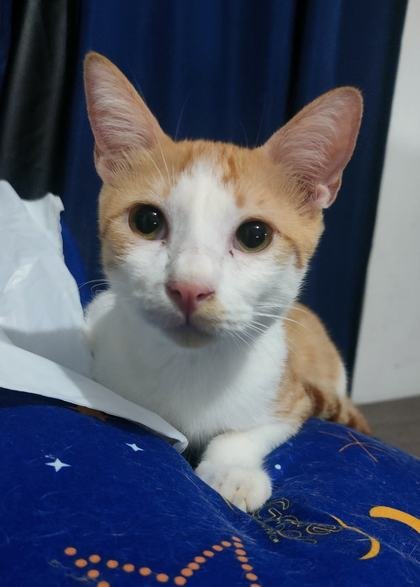 Yuki
Yuki
YukiOverview
Feline Herpesvirus (FHV-1), also called Feline Viral Rhinotracheitis (FVR), is one of the two major viruses behind "cat colds" — the other being calicivirus, covered elsewhere in this library. It's extraordinarily common: an estimated up to 97% of cats are exposed at some point in their lives, and once infected, cats become lifelong carriers.
- Extremely common — most cats have been exposed by adulthood
- Once infected, the virus becomes lifelong and latent (dormant), capable of reactivating during stress
- Not contagious to humans or other species — cat-specific only
- Generally has a good prognosis for recovery from individual flare-ups, though recurrence is common
Common Symptoms
Typical Flare-Up
- Sneezing with nasal discharge
- Conjunctivitis (eye inflammation/discharge) — often more prominent than with calicivirus
- Oral ulcers (less common than with calicivirus, but can occur)
- Corneal ulcers — a distinguishing feature of herpesvirus specifically; raises suspicion especially in both eyes or in young/unvaccinated cats
Severe / Kitten Cases
- Young kittens with poor immune response can develop severe nasal/eye inflammation, sometimes leading to permanent facial or sinus deformity
- Kittens who recover from a severe pediatric infection may have chronic, recurrent nasal/sinus inflammation for life due to that early structural damage
Possible Causes
- Direct contact with an infected cat, or contact with contaminated surfaces/objects
- Reactivation (recrudescence) of a dormant infection is triggered by stress — this includes boarding, moving to a new home, lactation, illness, or other physical stressors
- Studies show reactivation happens in around 70% of latently infected cats following steroid treatment experimentally, and stress-related triggers like moving environments (about 18%) or lactation (about 40%) are recognized real-world triggers
Diagnosis
- Often diagnosed based on clinical pattern: sneezing, nasal/eye discharge, conjunctivitis, and especially corneal ulcers, particularly in young or unvaccinated cats
- No perfect direct test exists for latency itself, since the virus hides silently within nerve tissue between flare-ups
- During an active flare-up, testing (PCR, viral isolation) can confirm active infection if needed
Treatment
- No cure — treatment is symptomatic and supportive during flare-ups
- Antiviral eye drops for corneal ulcers/conjunctivitis; oral antiviral medication (like famciclovir) for more severe or recurrent cases
- Antibiotics only if a secondary bacterial infection is suspected, not for the virus itself
- L-lysine is commonly recommended, though it's worth knowing that while lab studies showed promise, there isn't strong published evidence it helps in cats with natural infection — many vets and owners still use it anecdotally
- Cats prone to recurrence may benefit from periodic booster vaccination (intranasal combo vaccine), which can help reduce reactivation frequency
Nutrition & Food Intake
- Congestion reduces smell-driven appetite; warming food or offering strongly-scented wet food can help
- Adequate hydration matters, especially during active flare-ups
- No specific "herpesvirus diet" exists beyond general supportive nutrition during illness
Home Physical Checks (What to Look For Yourself)
- Eyes – watch for one or both eyes affected, discharge type, and especially any cloudiness or visible ulceration on the eye surface (corneal ulcers need prompt attention to prevent permanent damage)
- Nose – sneezing frequency and discharge character
- Stress triggers – note any recent changes (new pet, move, boarding, illness) that might explain a flare-up in a known carrier cat
- Recurring pattern – tracking how often flare-ups happen and what seems to trigger them can help your vet tailor a management plan
Supportive Supplements (General Info — Not a Prescription)
- L-lysine – widely used, though evidence in naturally-infected cats is limited; discuss with your vet whether it's worth trying for your cat specifically
- Nebulization with sterile saline – used by some vets, especially for cats with chronic nasal/sinus changes from an early severe infection, to help with ongoing symptom relief
- These are supportive measures, not cures — the virus itself remains lifelong regardless
When to Seek Emergency Care
Seek prompt veterinary care if:
- Corneal ulcers are suspected (visible cloudiness, squinting, eye pain) — these need timely treatment to prevent permanent vision damage
- A kitten with severe symptoms stops eating or becomes very lethargic
- Symptoms don't improve after a week or clearly worsen
Prevention
- Vaccination (part of the standard FVRCP combo vaccine) doesn't prevent infection entirely but significantly reduces severity and shedding
- Minimize stress for known carrier cats — consistent routine, reducing overcrowding, gentle transitions during moves or boarding
- Isolate new cats before introducing them to a household or shelter population
- Periodic booster vaccination for high-risk cats (shelter cats, breeding colonies, frequent boarders) may help reduce reactivation frequency
Prognosis
Generally good for individual episodes, with an important caveat about recurrence:
- Most cats exposed to FHV-1 live long, normal lifespans — this is not typically a life-shortening diagnosis on its own
- The virus is not curable; it goes into remission between flare-ups, and most cats appear completely normal in between episodes
- Recurrence is common and can mean repeated treatment episodes over a cat's life, which can add up in cost and management effort, but doesn't usually indicate a worsening underlying condition
- Kittens with severe initial infections are the group most likely to have lasting structural changes (chronic sinus issues) — this is where early, aggressive treatment during the first infection matters most for long-term outcomes
Sources: Cats.com; ABCD Cats & Vets Guidelines; Cat Fanciers' Association; VCA Animal Hospitals; PMC ocular herpesvirus research.
🐾 A Rescuer\'s Note: [Your herpesvirus experience goes here — especially useful if you've managed recurring flare-ups or cared for a kitten through a severe initial infection.]
Important: This information is educational and does not replace a professional veterinary examination. Suspected corneal ulcers (eye cloudiness, pain, squinting) need prompt veterinary attention to prevent permanent eye damage.
💬 Share Your Story
Have you cared for a cat with this condition? We'd love to hear it — email your story to hello@thefurfile.com (swap in your real address) and we'll feature it here.
Share your story by email