Giardia in Cats
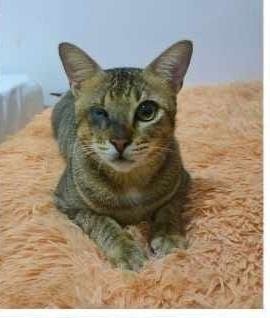 Chang'e
Overview
Giardia is a microscopic parasite (protozoan) that infects the small intestine. It's one of the most common causes of parasitic diarrhea in cats, especially kittens and cats from crowded environments like shelters and catteries.
- Very common — found worldwide, in every region
- Not usually life-threatening, but can cause persistent, uncomfortable diarrhea
- Spreads fecal-to-oral — highly relevant in multi-cat rescue/shelter settings
- Some cats carry it without ever showing symptoms
Common Symptoms
Early / Mild
- Soft, watery diarrhea (often pale and foul-smelling)
- Mild weight loss over time
Advanced / Chronic
- Persistent or recurring diarrhea, sometimes with mucus
- Greasy or fatty-looking stool (steatorrhea)
- Noticeable weight loss
- Irritated, inflamed skin around the tail area from repeated diarrhea and grooming
Many cats carry Giardia with zero visible symptoms — a positive test doesn't always mean treatment is necessary.
Possible Causes
- Ingesting Giardia cysts from contaminated feces, soil, or water
- Grooming after contact with a contaminated environment
- Higher risk in kittens, multi-cat households, shelters, and catteries
- Giardia survives well in cool, moist environments — litter boxes and damp areas are common sources
Diagnosis
- Fecal antigen ELISA test – common in-clinic test that detects Giardia proteins in stool
- Fecal flotation (zinc sulfate) – examines stool under a microscope for cysts; often needs multiple samples since shedding is intermittent
- PCR testing – more sensitive, used in some clinics
- A veterinarian should interpret results carefully — a positive test in a cat without diarrhea doesn't automatically mean treatment is needed
Treatment
- Fenbendazole or metronidazole are the most commonly used treatments, according to veterinary parasitology guidelines
- Treatment may need to be repeated, since Giardia can be difficult to fully eliminate on the first course
- Asymptomatic cats in single-cat households often don't need treatment at all — unnecessary treatment can contribute to resistance
- Thorough litter box cleaning during treatment is essential to prevent reinfection
Nutrition & Food Intake
- A bland, easily digestible diet can help settle the gut during active diarrhea
- Some vets recommend a temporary fiber-supplemented diet to help firm up stool
- Ensure good hydration — diarrhea can lead to fluid loss even when it seems mild
- Diet changes should be gradual once the cat is recovering, to avoid further GI upset
Home Physical Checks (What to Look For Yourself)
- Stool consistency – track changes over several days rather than reacting to one soft stool; note color, smell, mucus, or grease
- Weight – gradual weight loss over weeks is a bigger concern than one bad day
- Skin around the tail/rear – check for irritation from repeated diarrhea
- Hydration – skin tent test at the scruff if diarrhea has been ongoing
- Energy and appetite – Giardia cats are often otherwise bright and eating normally, unlike more severe illnesses
Supportive Supplements (General Info — Not a Prescription)
- Probiotics – frequently used to help restore healthy gut bacteria during and after treatment
- Pumpkin or fiber supplements – sometimes used to help firm stool, though this doesn't treat the underlying parasite
- Supplements support recovery but do not replace the antiparasitic medication needed to actually clear the infection
When to Seek Emergency Care
Giardia itself is rarely an emergency, but seek prompt veterinary care if:
- Diarrhea is severe, bloody, or lasts more than a few days
- The cat is losing significant weight
- A kitten shows lethargy or refuses to eat alongside diarrhea (kittens dehydrate faster)
- Multiple cats in the household are affected at once
Prevention
- Clean litter boxes daily and disinfect regularly
- Avoid overcrowding in multi-cat households
- Provide clean, fresh water — avoid stagnant outdoor water sources for cats with outdoor access
- Quarantine and test new shelter/rescue intakes when possible
- Re-test 2-4 weeks after treatment to confirm the infection has cleared, per VCA guidelines
Prognosis
Genuinely good news here: the prognosis for cats with giardiasis is excellent. It is not typically a life-threatening illness, and the vast majority of cats recover fully with appropriate treatment. The main challenge is that full elimination can occasionally take more than one round of treatment, and reinfection is possible in high-exposure environments like shelters — but this is a manageable, treatable condition, not a dangerous one for most healthy cats.
A note on zoonotic risk: Cats are most often infected with a cat-specific strain of Giardia. Current evidence suggests this strain has not been shown to conclusively infect humans, though good hygiene when handling litter is always wise regardless.
Sources: Today's Veterinary Practice; ABCD Cats & Vets Guidelines; VCA Animal Hospitals; Great Pet Care.