CASE FILE NO. 12 — CAT · HEART
Hypertrophic Cardiomyopathy (HCM) in Cats
Monitor & manage
Heart
Real cats from the file: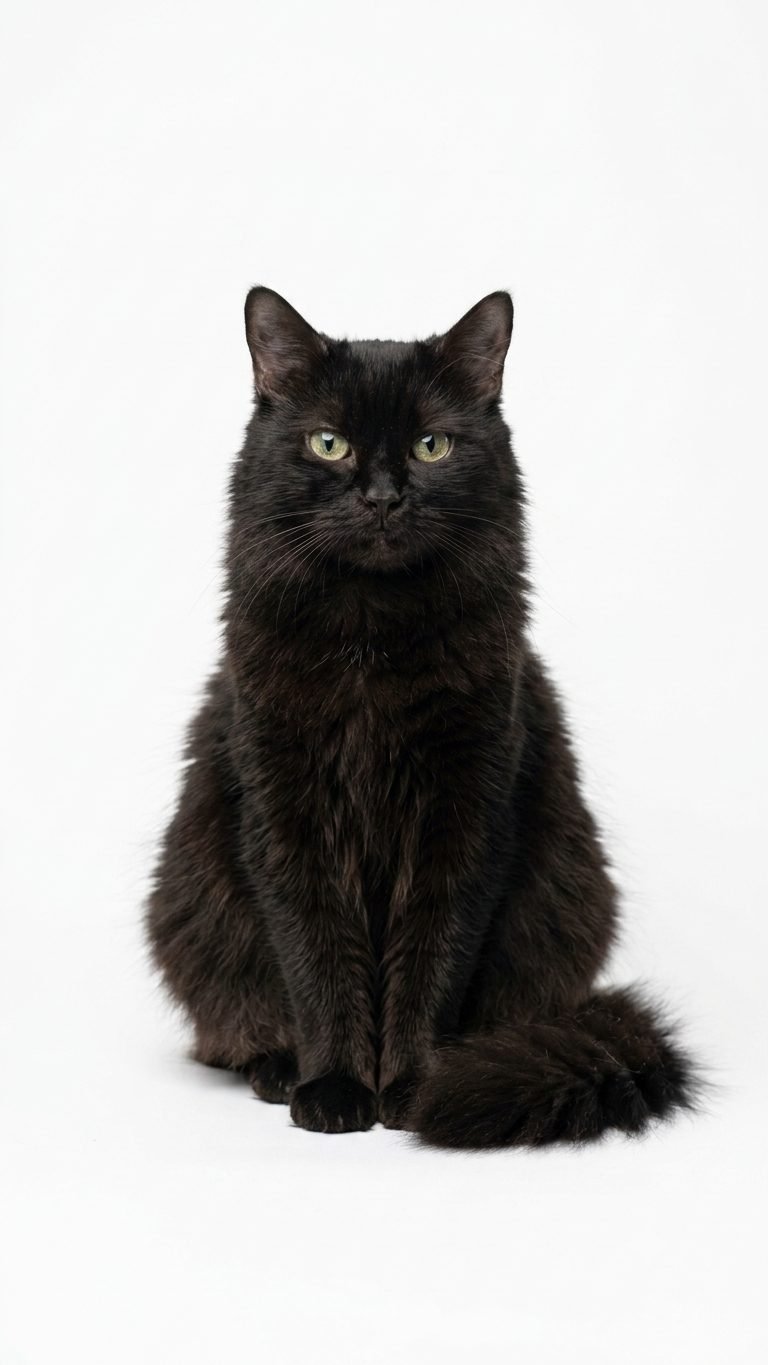 Cuddle
CuddleOverview
Hypertrophic Cardiomyopathy is the most common heart disease in cats, affecting up to 15% of the general cat population. It causes the heart's left ventricle wall to thicken, reducing the heart's efficiency.
- The most common feline cardiac disease
- Genetic mutations have been identified in Maine Coons, Ragdolls, and Sphynx cats; also seen in British Shorthair, American Shorthair, Bengal, Chartreux, Norwegian Forest, Siberian, and Persian breeds
- Many cats show no symptoms for years and are only diagnosed via a vet hearing a heart murmur or abnormal rhythm
- No cure exists, but management significantly affects quality of life and outcomes
Common Symptoms
Early Symptoms (often none)
- Many cats are asymptomatic; a heart murmur or irregular rhythm may be the only clue a vet detects on exam
Advanced Symptoms
- Rapid or difficult breathing
- Lethargy, reduced activity tolerance
- Fainting episodes
- Sudden hind-limb weakness or paralysis (a sign of a blood clot — a serious emergency, discussed below)
- Signs of congestive heart failure: increased respiratory rate/effort, especially while resting or sleeping
Possible Causes
- Believed to be primarily genetic, with known mutations identified in certain breeds
- Can also be caused or worsened by high blood pressure or hyperthyroidism, which mimic or contribute to similar heart changes
- Most often diagnosed in middle-aged cats; slightly more common in males
Diagnosis
- Echocardiogram (heart ultrasound) is the gold-standard diagnostic tool
- NT-proBNP blood test can help assess whether further cardiac workup (echocardiogram) is warranted
- Vets may also check blood pressure and thyroid levels to rule out other causes of heart thickening
- Genetic testing is available for Maine Coon and Ragdoll cats specifically, useful for breeding decisions
Treatment
- No cure — treatment focuses on managing symptoms and reducing complication risk
- Medications may include beta-blockers (like atenolol) in select cases, diuretics (like furosemide) if heart failure develops, and ACE inhibitors in some situations
- Clopidogrel is commonly used to reduce the risk of blood clots (thromboembolism), a major complication of HCM
- Cats in congestive heart failure may need oxygen therapy and fluid removal from the chest (thoracocentesis) during acute episodes
- Felycin-CA1 is a newer medication specifically aimed at slowing progression in cats without symptoms yet
Nutrition & Food Intake
- No specific diet cures HCM, but maintaining a healthy weight reduces overall cardiac strain
- Sodium-restricted diets are sometimes recommended once congestive heart failure develops, under veterinary guidance
- Appetite can decline with heart failure — palatable, easy-to-eat food matters more in advanced stages
Home Physical Checks (What to Look For Yourself)
- Resting/sleeping respiratory rate – count breaths per minute while your cat is calmly resting; a consistent rate above 30 breaths per minute can be an early warning sign worth mentioning to your vet
- Activity tolerance – note any new reluctance to jump, play, or exert themselves
- Hind legs – sudden weakness, dragging, coldness, or pain in the back legs is an emergency sign of a blood clot (see below)
- Breathing effort at rest – open-mouth breathing or visible chest effort while resting is concerning
Supportive Supplements (General Info — Not a Prescription)
- No supplement replaces prescribed cardiac medications for a diagnosed HCM cat
- General heart-healthy nutrition (appropriate weight, quality diet) supports overall cardiovascular health
- Discuss any supplement with your cardiologist/vet, since some can interact with heart medications
When to Seek Emergency Care
Seek immediate veterinary care if your cat shows:
- Sudden hind-leg weakness, paralysis, pain, or cold limbs — this can indicate a blood clot (arterial thromboembolism), a true emergency
- Open-mouth breathing or severe respiratory distress
- Collapse or fainting
- Blue or grayish gums
Prevention
- Genetic screening is available for predisposed breeds (Maine Coon, Ragdoll) if breeding is a consideration
- Annual veterinary checkups, including listening for heart murmurs, are important even in cats with no symptoms — absence of a murmur does NOT rule out HCM
- Manage other conditions like hyperthyroidism or high blood pressure that can worsen heart changes
Prognosis
Genuinely variable, which is important to understand:
- Many cats with no symptoms live a normal lifespan with only mild heart changes; recent data suggests survival time after diagnosis averages around 5 years
- About 20% of cats develop congestive heart failure within 5 years of diagnosis, and about 9% experience a blood clot in that time, according to veterinary cardiology sources
- Once congestive heart failure develops, prognosis becomes more guarded — median survival has historically been cited around 3 months in more severe cases, though newer sources note that with modern management, many cats live 6-18 months or more with a good quality of life
- Cats who develop blood clots have the most guarded prognosis of all HCM complications
Sources: Merck Veterinary Manual; Cornell University College of Veterinary Medicine; UC Davis School of Veterinary Medicine; NC State Veterinary Hospital.
🐾 A Rescuer\'s Note: [Your HCM experience goes here — especially relevant if you've cared for one of the predisposed breeds.]
Important: This information is educational and does not replace a professional veterinary examination. Sudden hind-leg weakness or paralysis in a cat is an emergency — seek veterinary care immediately.
💬 Share Your Story
Have you cared for a cat with this condition? We'd love to hear it — email your story to hello@thefurfile.com (swap in your real address) and we'll feature it here.
Share your story by email