Hepatic Lipidosis (Fatty Liver Disease) in Cats
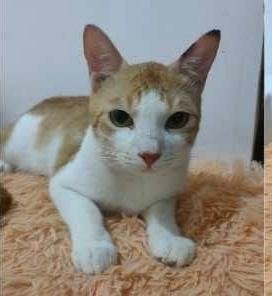 Bubwit
Overview
Hepatic lipidosis is the most common, potentially lethal liver disease in cats — and it's referenced as a risk throughout several other articles in this library, because it can develop dangerously fast whenever a cat stops eating. This one deserves its own deep dive since it's a serious condition in its own right.
- The most commonly diagnosed liver disease in cats
- Can develop in as little as 2-3 days of a cat not eating
- Uniquely dangerous in cats because, unlike dogs or humans, cats' livers aren't designed to safely process large fat stores mobilized during starvation
- More than 90% of cases have an identifiable underlying condition that triggered the appetite loss in the first place
Common Symptoms
Early Symptoms
- Loss of appetite (this is both a symptom AND a cause — a dangerous cycle)
- Lethargy
- Weight loss
Advanced Symptoms
- Jaundice — yellowing of the gums, skin, or whites of the eyes — considered the hallmark sign
- Vomiting
- Drooling
- In severe cases, neurological signs (hepatic encephalopathy) from the liver's reduced ability to process toxins
Possible Causes
- Almost always triggered by another underlying illness or stressor that caused the cat to stop eating: inflammatory bowel disease, pancreatitis, diabetes, kidney disease, hyperthyroidism, cancer, respiratory infection, or significant environmental stress
- Obese cats are at particularly high risk, since they have more fat available to be mobilized into the liver during a period of not eating
- Any cat — obese or not — that stops eating for even a few days is at genuine risk, which is why "just wait and see if they start eating again" is not a safe approach with this condition
Diagnosis
- Bloodwork showing elevated liver enzymes and bilirubin (which also explains the jaundice)
- Liver biopsy provides a definitive diagnosis, done either through the skin or during an abdominal procedure
- Because an underlying trigger is so often present, diagnostic workup typically also searches for the original cause of appetite loss
Treatment
- The core treatment principle is simple to state, hard to do: get the cat eating again, but nauseated cats often refuse food and can develop an aversion to food if force-fed
- Feeding tube placement (usually an esophagostomy tube) is the standard, most effective approach — allowing controlled, adequate nutrition without relying on the cat's voluntary appetite
- IV fluids to correct dehydration and electrolyte imbalances (especially potassium)
- Anti-nausea medication, liver-support medications, and vitamin supplementation
- About 25% of cats require a blood transfusion during treatment
- Treating the underlying condition that caused the appetite loss in the first place is essential — hepatic lipidosis rarely happens spontaneously without a trigger
Nutrition & Food Intake
- This is the entire treatment, essentially — high-protein, low-carbohydrate nutrition delivered consistently, usually via feeding tube
- Tube feeding typically continues for 6-7 weeks on average, sometimes longer, until the cat resumes eating enough on their own
- Human liquid diets are not appropriate — cat-specific formulas (like Hill's a/d or Royal Canin Recovery) provide the amino acid profile cats specifically need
- Once the cat starts eating small amounts on their own, tube feeding is gradually reduced rather than stopped abruptly, to confirm the cat can maintain weight independently
Home Physical Checks (What to Look For Yourself)
- Appetite tracking – this is the single most important thing to monitor in any cat, especially one recovering from illness or stress; any cat not eating for 24-48 hours needs veterinary attention
- Gums and eyes – jaundice (yellow tinge) is the hallmark visible sign
- Weight – rapid weight loss during a period of poor appetite is a red flag
- Energy levels – increasing lethargy alongside reduced eating
Supportive Supplements (General Info — Not a Prescription)
- Cobalamin (vitamin B12) – roughly 60% of cats with hepatic lipidosis have a concurrent deficiency, and supplementation (often injectable) is a standard part of veterinary treatment
- Liver-support supplements exist but should be used only as directed by your vet as part of a comprehensive treatment plan, not as a standalone approach
- No supplement substitutes for adequate caloric/protein intake — this is fundamentally a nutritional crisis requiring aggressive feeding support
When to Seek Emergency Care
Any cat that stops eating for more than 24-48 hours needs veterinary attention — treat this as time-sensitive, not something to wait out. This applies especially to:
- Overweight cats
- Cats recovering from any other illness, surgery, or significant stress
- Any cat showing jaundice (yellow gums/eyes) combined with reduced appetite
Prevention
- The single most important preventive action: never let a cat go without eating for more than a day or two, for any reason — illness, stress, a food switch that isn't going well, whatever the cause
- If your cat stops eating, address it promptly rather than assuming they'll "come around" — appetite stimulants or a vet visit early can prevent this cascade entirely
- Managing obesity reduces baseline risk, since more available fat means more risk if appetite loss does occur
- Promptly treating any underlying illness reduces the trigger that most commonly starts this process
Prognosis
This is a genuinely serious condition, but with the caveat that aggressive treatment dramatically changes the outcome:
- Without aggressive nutritional support, mortality can exceed 90%
- With early intervention and tube feeding, survival rates are widely reported in the 60-90% range, with some sources citing up to 90% survival with fully aggressive, early treatment
- Cats with concurrent pancreatitis or other serious underlying disease have a poorer prognosis
- A useful early indicator: cats whose bilirubin drops by about 50% within the first 7-10 days of treatment are statistically more likely to survive
- Recurrence of primary hepatic lipidosis is rare — most cats who survive and recover go on to live completely normal lives, provided the underlying trigger (if one was identified) is also managed
- The clearest message across every source: this disease is highly treatable, but only with aggressive, prompt action — delay is the biggest risk factor for a poor outcome.
Sources: PetMD; Lap of Love veterinary hospice resource; Veterinary Partner (VIN); dvm360; VCA Animal Hospitals; BluePearl Pet Hospital.