Lupus in Cats (Nasal Cutaneous Lupus)
 Bochog
Overview
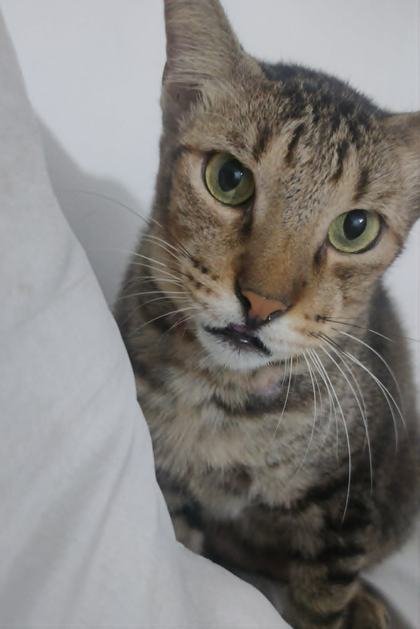
"Lupus" in cats is quite different from what many people picture from human lupus. Unlike in humans and dogs, systemic lupus is essentially not established as occurring in cats. What's actually documented in cats is Nasal Cutaneous Lupus (previously called discoid lupus) — a rare, localized autoimmune skin condition affecting the nose.
- Genuinely rare in cats — far less common than in dogs or humans
- Localized to the skin (primarily the nose), not a whole-body systemic disease as it can be in humans
- Often confused with other, more common feline skin conditions — proper diagnosis matters
- Generally not life-threatening, though it can be uncomfortable and cosmetically distressing
Common Symptoms
Early Symptoms
- Loss of normal pigment on the nose (depigmentation)
- Mild scaling or dryness on the nasal skin
Advanced Symptoms
- Erosion and crusting of the nasal skin
- Possible involvement of the lips, eyelids, or footpads in some cases
- Discomfort or sensitivity in the affected area
Possible Causes
- Believed to be immune-mediated — the immune system mistakenly targets the cat's own skin cells
- The exact trigger is not well understood in cats (much less studied than in dogs or humans)
- Sun exposure may worsen lesions on the nose, similar to patterns seen in other lupus-related conditions
Diagnosis
- Skin biopsy is essential — this condition can closely resemble other more common feline skin diseases (like pemphigus foliaceus, a different autoimmune skin condition, or even simple dermatitis)
- Blood tests (like ANA - antinuclear antibody) are sometimes run, though studies note these have often come back negative even in confirmed feline cases, unlike in human lupus
- Because this diagnosis is genuinely rare, most general practice vets will want to rule out far more common causes of nasal skin changes first (allergies, fungal infection, other autoimmune skin disease) before settling on this diagnosis
Treatment
- Immune-modulating medications, similar to those used for other autoimmune skin conditions in cats
- Sun protection/avoidance for affected skin, since UV exposure can worsen lesions
- Treatment plans are individualized given how uncommon and variably-described this condition is in veterinary literature
Nutrition & Food Intake
- No specific diet treats this condition
- General good nutrition supports skin health and immune function broadly
Home Physical Checks (What to Look For Yourself)
- Nose pigmentation – note any new lightening or loss of the normal black/pink coloring
- Skin texture – scaling, crusting, or erosion on the nasal area
- Sun exposure patterns – if your cat suns themselves near a window regularly, this is worth mentioning to your vet, since UV may be a contributing factor
- Other areas – check lips, eyelids, and footpads for similar changes, since these can occasionally be involved
Supportive Supplements (General Info — Not a Prescription)
- Omega-3 fatty acids – sometimes used generally to support skin and coat health, though not a specific treatment for this condition
- No supplement replaces proper diagnosis and immune-modulating treatment for a confirmed autoimmune skin condition
When to Seek Emergency Care
This condition itself isn't typically an emergency, but seek prompt veterinary care if:
- Nasal skin changes are rapidly worsening
- There's significant pain, bleeding, or secondary infection at the site
- Any new skin lesions appear alongside other signs of illness
Prevention
- Limiting direct sun exposure on affected or predisposed skin may help reduce flare-ups
- Since the cause isn't fully understood, there's no established way to prevent this condition from developing in the first place
- Early veterinary evaluation of any unusual, persistent nasal skin changes helps catch and properly diagnose the condition (or rule it out in favor of a more common, more treatable cause)
Prognosis
Because true lupus is so rarely and specifically documented in cats, individual prognosis is best discussed directly with your veterinarian or a veterinary dermatologist, since much of what's understood comes from related autoimmune skin conditions rather than large feline-specific lupus studies. Generally, localized nasal skin lupus is manageable rather than life-threatening, with treatment focused on controlling the immune response and protecting the affected skin.
An important note for cat owners: if you've heard a cat "has lupus," it's worth confirming with your vet that biopsy-based diagnosis was used, since this condition is genuinely rare and easily confused with other, more common feline skin diseases that require different treatment.
Sources: WSAVA veterinary dermatology proceedings on immune-mediated skin diseases in cats; comparative veterinary dermatology literature on feline pemphigus and lupus-related conditions.