CASE FILE NO. 14 — CAT · DIGESTIVE
Pancreatitis in Cats
Monitor & manage
Digestive
Real cats from the file: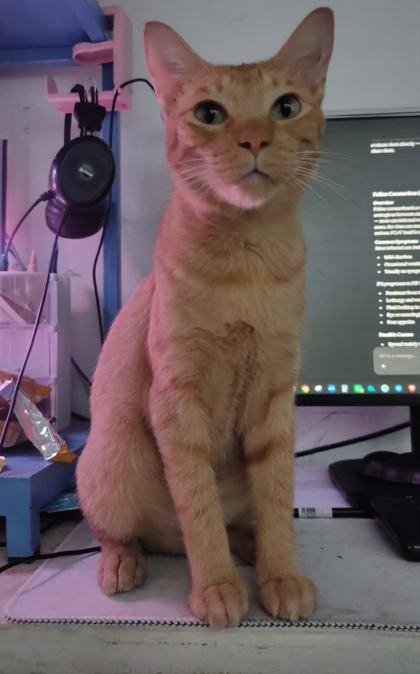 Orange
OrangeOverview
Pancreatitis is inflammation of the pancreas, the organ responsible for digestive enzymes and blood sugar regulation. In cats, it's more common than once believed and often occurs alongside liver and intestinal inflammation — a combination sometimes called "triaditis."
- More common than historically recognized in cats — under-diagnosed because signs can be vague
- Two main forms: a common, low-grade chronic form, and a less common but more dangerous acute form
- Often occurs alongside other GI or liver conditions
- Prognosis depends heavily on which form and how severe the case is
Common Symptoms
Early / Chronic Form (most common)
- Vague, often subtle signs: mild reduced appetite, intermittent lethargy
- These cats often "just seem a bit off" rather than showing classic symptoms — this is why the condition is frequently missed
Advanced / Acute Form
- Significant lethargy
- Vomiting, diarrhea, weight loss
- Abdominal pain (though this is less obvious in cats than in dogs)
- Dehydration
- Jaundice (yellowing) in severe cases — a warning sign linked to worse outcomes
Possible Causes
- In most cats, the cause is idiopathic (unknown) — this is different from dogs, where fatty meals are a well-known trigger
- Can occur alongside liver disease and inflammatory bowel disease (the "triaditis" pattern)
- Trauma, certain infections, and some medications have been linked in individual cases, though a clear single cause is often not found
Diagnosis
- Abdominal ultrasound is the most sensitive commonly available tool — looks for pancreatic swelling, fluid, or changes in echogenicity
- Specific feline pancreatic lipase test (Spec fPL) – a blood test more specific to the pancreas than general bloodwork
- Bloodwork often shows nonspecific changes; anemia and abnormal white blood cell counts are common in more severe cases
- X-rays are less reliable for this diagnosis in cats compared to ultrasound
Treatment
- Treatment is primarily supportive, since there's no direct "cure" for the inflammation itself
- IV fluids to correct dehydration and support circulation
- Anti-nausea medication and pain management
- Nutritional support is critical — unlike older approaches, cats with pancreatitis generally should not be starved; early nutritional support improves outcomes
- Addressing any concurrent conditions (liver disease, IBD) as part of the same treatment plan
- Severe/acute cases require hospitalization; mild chronic cases are often managed on an outpatient basis
Nutrition & Food Intake
- Avoid high-fat foods, which can worsen pancreatic inflammation
- Bland, easily digestible, vet-recommended food is typical during recovery
- Unlike some past recommendations, most cats with pancreatitis should keep eating (with appropriate food) rather than fasting, since prolonged appetite loss risks a serious complication called hepatic lipidosis
- Appetite stimulants or feeding tubes may be used short-term in cats that won't eat voluntarily during a flare-up
Home Physical Checks (What to Look For Yourself)
- Appetite trends – since symptoms are often subtle, tracking gradual appetite changes over days/weeks matters more than watching for a single dramatic sign
- Energy levels – note any pattern of intermittent lethargy
- Gums – jaundice (yellow tinge) is a warning sign linked to worse outcomes in studies and needs prompt attention
- Weight – gradual weight loss is a common but easy-to-miss sign in chronic cases
- Vomiting/diarrhea frequency – track patterns rather than one-off episodes
Supportive Supplements (General Info — Not a Prescription)
- Cobalamin (vitamin B12) – often depleted in cats with chronic GI/pancreatic disease; supplementation is common under veterinary guidance, sometimes via injection
- Probiotics – sometimes used to support overall gut health during recovery
- No supplement replaces proper diagnosis and supportive veterinary treatment, especially for the acute form
When to Seek Emergency Care
Seek prompt veterinary attention if:
- A cat stops eating for more than 24 hours (risk of hepatic lipidosis)
- Vomiting is repeated or persistent
- Jaundice (yellow gums, eyes, or skin) is noticed
- Signs of significant pain, dehydration, or collapse
Prevention
- No guaranteed prevention exists since most cases are idiopathic, but general measures help:
- Avoid high-fat table scraps or inappropriate food
- Manage related conditions (IBD, liver disease) proactively if your cat has them
- Routine veterinary checkups can help catch subtle, chronic symptoms before they progress
Prognosis
- Mild, chronic (lymphoplasmacytic) pancreatitis: Good prognosis — many cats live long, comfortable lives with appropriate long-term management
- Severe/acute pancreatitis: More serious — published mortality rates in hospitalized cats range from about 9% to 41% depending on severity and complications, according to multiple veterinary studies
- Jaundice, concurrent kidney disease, low albumin, and elevated BUN at admission are all linked to worse outcomes in research
- The key message: mild cases caught early carry a genuinely good outlook, while severe/acute cases are a serious medical event requiring aggressive hospitalization
Sources: ACVIM Consensus Statement on Feline Pancreatitis (2021); PetMD; VCA Animal Hospitals; PMC retrospective prognostic study (2024-2025).
🐾 A Rescuer\'s Note: [Your pancreatitis experience goes here — since symptoms are often subtle, your story of what tipped you off could genuinely help someone catch it earlier.]
Important: This information is educational and does not replace a professional veterinary examination. Vague symptoms like intermittent low appetite or lethargy in a cat are worth a vet visit — pancreatitis is easy to miss.
💬 Share Your Story
Have you cared for a cat with this condition? We'd love to hear it — email your story to hello@thefurfile.com (swap in your real address) and we'll feature it here.
Share your story by email